
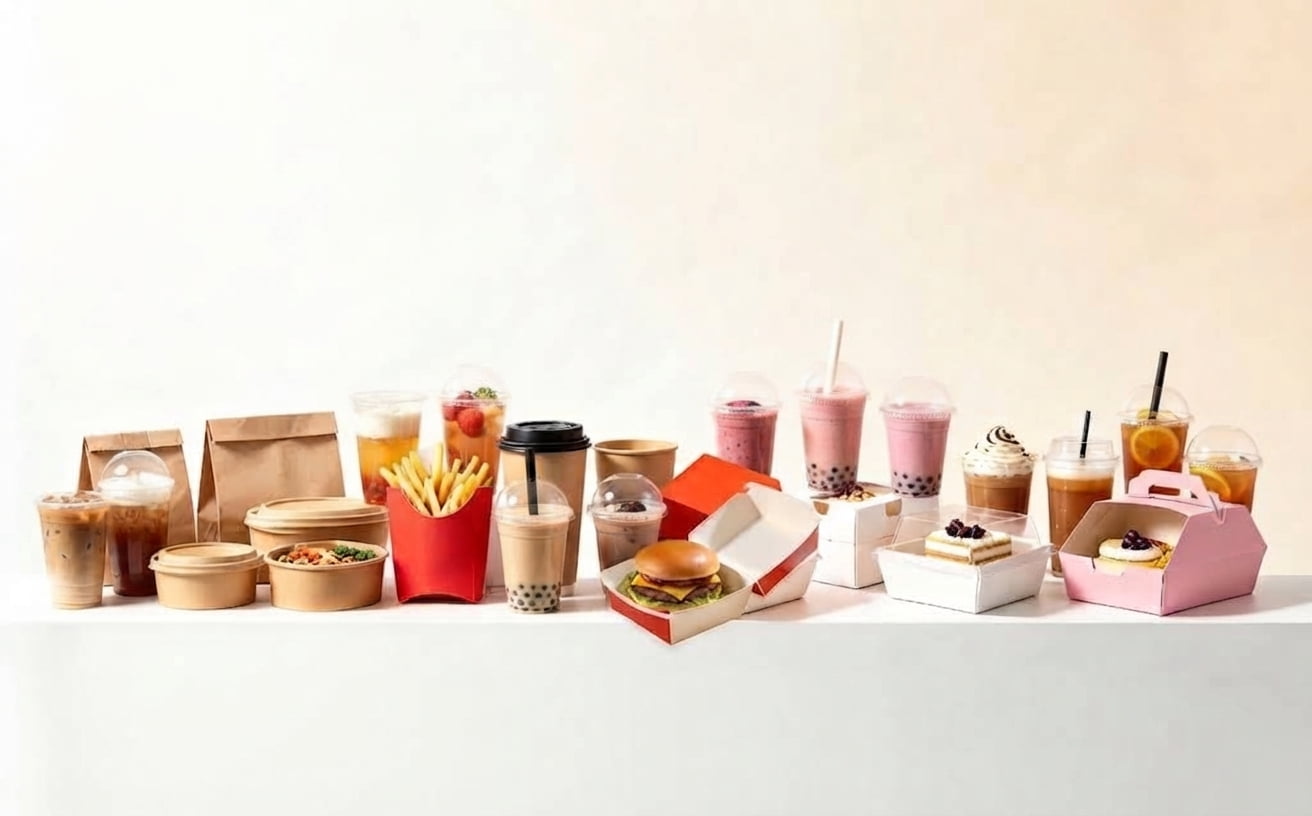
Comparing PET Cups with Other Disposable Plastic Cups When it comes to disposable plastic cups, several materials are commonly used, including PET (polyethylene terephthalate), PP (polypropylene), and PS (polystyrene). How do PET plastic cups stack up against their peers? PET Cups vs. PP Cups PP or Polypropylene cups are another popular choice. While both PET […]
Comparing PET Cups with Other Disposable Plastic Cups
When it comes to disposable plastic cups, several materials are commonly used, including PET (polyethylene terephthalate), PP (polypropylene), and PS (polystyrene). How do PET plastic cups stack up against their peers?
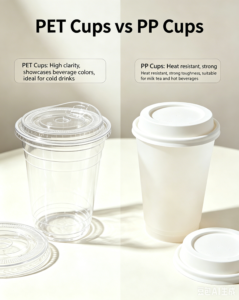
PET Cups vs. PP Cups
PP or Polypropylene cups are another popular choice. While both PET and PP are robust and temperature-tolerant, PET scores higher on clarity, essentially making your beverages look more appealing to customers.
PET cups are also more effortless to recycle compared to PP cups, contributing to lesser environmental impact.
PET Cups vs. PS Cups
PS or Polystyrene cups may be a lower-cost option, but they’re less durable compared to PET cups. PET clear cups excel in structural resilience and maintain their form and function even under stress, resulting in a better user experience.
Besides, PET’s superior clarity and recyclability make it a more attractive option overall.
PET Cups vs. PLA Cups
PLA or Polylactic Acid cups are made from bioplastic derived from renewable resources like corn starch or sugarcane. They are biodegradable and compostable but need industrial facilities to decompose appropriately. On the other hand,
PET cups can be easily recycled, and have superior strength, making them a more versatile choice.
| Attribute | PET | PP | PS | PLA |
| Clarity | High Transparency | Moderate | Low | High Transparency |
| Durability | High (Impact Resistant) | High (Tough and Flexible) | Low (Brittle, Prone to Cracking) | Medium |
| Heat Resistance | Low (Not suitable for hot beverages) | High (Suitable for hot beverages and microwave use) | Moderate (Foam provides insulation for hot beverages) | Low (Not suitable for hot beverages) |
| Environmental Impact | High (Widely Recycled, but petroleum-based) | High (Widely Recycled, but petroleum-based) | High (Widely Recycled, but petroleum-based) | High (Widely Recycled, but petroleum-based) |
| Cost | Moderate to High | Low to Moderate | Low (Cheapest) | Moderate to High |
✅ Clarity: PET = PLA > PP > PS
✅ Durability: PET = PP > PLA > PS
✅ Heat Resistance: PP > PS > PLA > PET
✅ Environmental Impact: PLA > PP > PET > PS
✅ Cost: PS > PP > PLA > PET
Final Thoughts
Navigating the world of disposable drinkware requires understanding the characteristics and environmental impacts of each option. PET cups, while not perfect, offer a versatile and recycling-friendly alternative that should not be overlooked.
There is a cup for every need, and PET plastic cups serve many occasions with their balance of practicality and sustainability. Always remember to discard them mindfully. After all, the health of our planet depends on our choices.

Written by
Doe PackagingRelated Articles
What Are PET Cups? Complete Guide to Features, Production, Recycling & Custom Printing
What are PET cups? PET cups are disposable cups made from polyethylene terephthalate (PET), a type of plastic commonly used in food and beverage packaging. PET is favored for its clarity, strength, and ability to be recycled. These cups are often used for cold beverages like soft drinks, iced coffee cups, smoothies cups, and water. They are […]
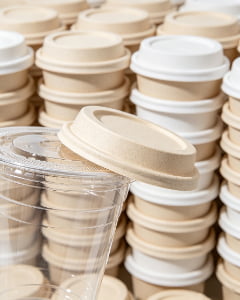
Compostable Cold Cups & Lids
The Ultimate Sustainable Choice for Your Beverage Business As global plastic regulations become stricter and sustainable consumption continues to grow, compostable food packaging has become a must-have upgrade for modern cafes, bubble tea shops, restaurants and beverage brands. Our high-performance compostable cold cups & lids are specially designed for cold beverage use, perfectly suitable for […]